
Understanding Human Cognition in the Age of Artificial Intelligence
AS
Exploring the Intersection of Human and Artificial Intelligence
In recent years, the rise of artificial intelligence (AI) has sparked both excitement and concern about its impact on human cognition. As AI technologies continue to evolve, understanding their influence on how we think, learn, and interact is crucial. This post explores the relationship between human cognition and AI, highlighting key areas where these two realms intersect.

AI's Role in Enhancing Cognitive Abilities
AI has the potential to significantly enhance human cognitive abilities. By automating routine tasks, it allows individuals to focus on more complex problem-solving and creative endeavors. Tools like smart assistants and predictive analytics enable faster decision-making processes, effectively augmenting human intelligence.
Moreover, AI-driven applications in education and training are transforming how we learn. Adaptive learning platforms tailor educational experiences to individual needs, ensuring more effective knowledge acquisition. This personalization helps learners achieve better outcomes by addressing their unique cognitive styles.
Challenges and Ethical Considerations
While AI offers numerous benefits, it also presents challenges and ethical considerations. One concern is the potential for AI to exacerbate cognitive biases. Algorithms trained on biased data can reinforce stereotypes or make unfair decisions, impacting society's collective thinking.
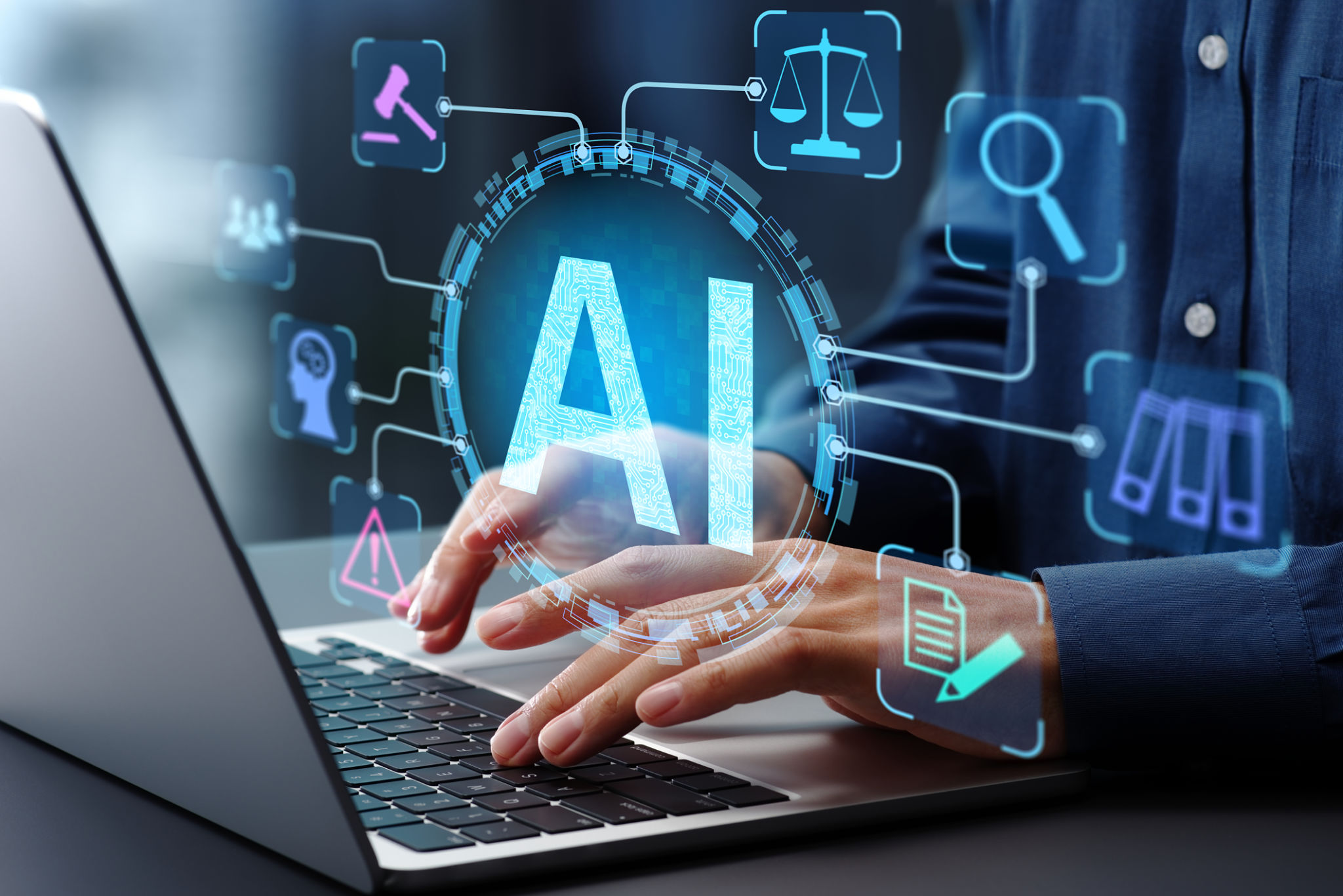
There is also the question of dependency. As we rely more on AI, there is a risk of diminishing our own cognitive skills, especially in areas like memory and problem-solving. Striking a balance between leveraging AI and maintaining human cognitive abilities is essential.
AI in Healthcare and Cognitive Research
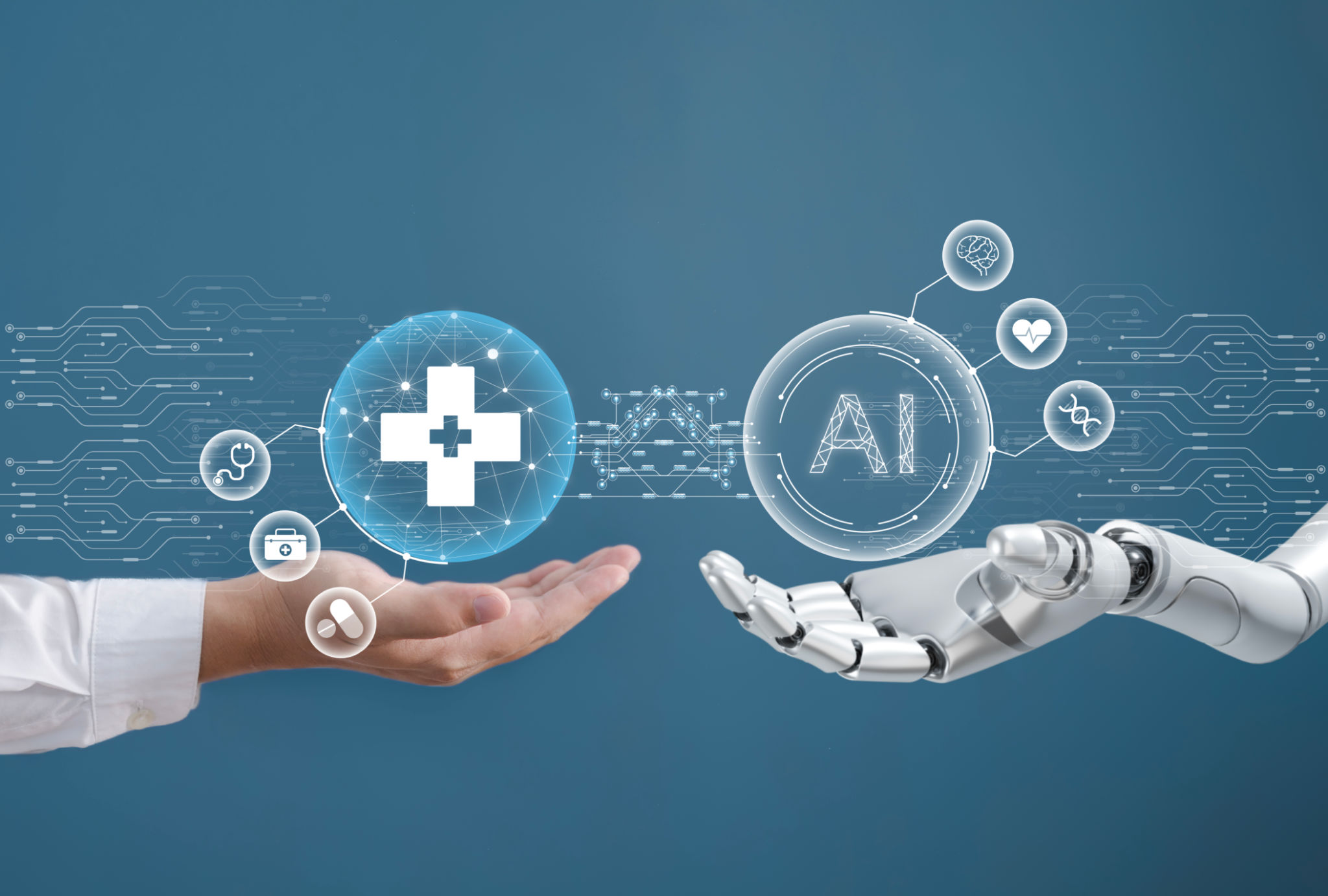
AI's application in healthcare has opened new avenues for cognitive research. Machine learning algorithms analyze vast amounts of data to identify patterns in neurological disorders, leading to earlier diagnoses and more effective treatments. This enhances our understanding of the human brain and cognitive functions.
Additionally, AI-powered brain-computer interfaces are enabling new forms of communication for individuals with disabilities, offering insights into the complexities of human cognition. These advancements highlight AI's potential to improve lives and expand our cognitive horizons.
The Future of Human-AI Collaboration
Looking ahead, the collaboration between humans and AI will likely become more integrated. As AI systems grow more sophisticated, they will complement human cognition in unprecedented ways. The key lies in developing technologies that enhance rather than replace human abilities.
To ensure a positive future, fostering a society that values continuous learning and adaptability is crucial. Emphasizing education and ethical AI development will enable us to navigate the challenges and opportunities presented by this evolving landscape.

Ultimately, understanding human cognition in the age of artificial intelligence is about finding synergy between technology and the human mind. By embracing the potential of AI while remaining vigilant about its challenges, we can create a future that enhances our cognitive capabilities and enriches our lives.